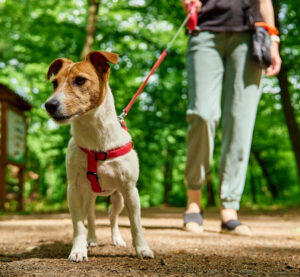
Recall training
What do we mean when we say ‘recall training’?
Recall training is simply the term for training a dog to come back to you when you call their name.
Why is recall training important?
Off-lead exercise is great for a dog’s wellbeing, recall training ensures they can enjoy this safely.
There are so many reasons why you might need to call your dog back to your side while out on a walk. Whether it’s unexpected traffic, encountering another dog, or simply when it’s time to go home, good recall training is key to safe fun.
Step-by-step introduction to recall training
-
1
Choose a recall word
Decide which word you’ll use when you want your dog to come back to you. This could be their name, another word, or even a whistle, just as long as you’re consistent!
-
2
Start in a low distraction environment
Practice building an association with the word while there are few other distractions around at home or in the garden.
Say the word and give them a treat or a toy, whichever they value most. Do this briefly several times throughout the day for a few days until your dog reliably comes to you when you call the word.
-
3
Increase the challenge
Once you consistently get a response from your dog, you can increase the challenge a little and call them from another room, or try training in the garden when there are more distractions around. Remember to make a huge fuss of them when they come to you. Make it the most exciting game ever!
-
4
Take it outside
Once you feel the recall at home and in the garden is strong, you can move to practicing outside the home in a public park with a long-line lead.
Make sure you’re far enough from cars and traffic and decide which length of lead you want to give your dog. Once they’re a little distance away and sniffing around, say your well-practiced recall word.
Give them a moment to process and don’t continue to repeat the word. Say it once and let them make the decision to come back to you.
If they choose instead to run away, don’t worry, this is why we use the long-line lead! Simply carry on your walk as usual and return to training at home until you’re ready to test it out in public again.
If they do come, give lots of praise and treats. Practice a handful of times, on the walk but don’t overdo it. Dogs learn best with short, frequent sessions.
-
5
And you’re off!
Once your dog is consistently coming to your chosen recall word on the long-line lead even when there are other distractions around, then you can decide if you’re comfortable letting them off lead on walks.
You can start by dropping the long-line so it trails behind them on the ground while you practice solidifying your recall. This way, if the dog decides not to come back, you can step on the line to catch them more easily.
Once you’re confident they will come back when asked, you can remove the long-line completely.
The freedom and autonomy to run and sniff without a lead is beneficial for dogs, and the trust built by good recall training helps create strong bonds between you both.
Using a long-line lead to train recall
Long-line leads come in various different lengths and different materials so it’s important to consider which would be right for your dog.
- Attach the long-line to a harness rather than a collar to prevent them hurting themselves if they run to the end of it. Attach it to the fastening on the back of your dog’s harness rather than an attachment at the front to help avoid the lead getting tangled in their feet.
- At first, hold the lead in two hands. Use the front hand to manage the slack and give your dog more freedom, and the back hand to shorten the slack on the lead.
- Gradually give them more and more length on the long-line lead as you work on their recall training.
- Eventually, you’ll be able to let go of the lead entirely and let it trail along the ground.
- Once you feel confident and comfortable with their recall with the long-line lead, you can stop using it altogether.
What not to do when recall training
There are some common mistakes that people make when practicing recall training with their dog. Here’s what to avoid:
- Never punish a dog if they don’t come back to you when called, coming back to their owner should be a fun and engaging thing, not scary and unpredictable!
- Adolescent dogs do tend to wander, this is a natural and normal stage of development so a long-line lead may be a good option at this time. Don’t stress, and keep up with the recall training.
- Don’t move too fast through the stages of training and let your dog go before they’re ready.
- Don’t let your dog out of your eyesight or forget to keep a close eye on your dog when they’re off-lead.
- Don’t try and use a reward that’s not strong enough for your dog, if they’re not food motivated, be aware of what your dog values most and use that when rewarding their recall. Chopped up hotdogs are a tasty, low-cal, high-value treat, other dogs are tennis ball obsessed. Find out what your dog goes crazy for!
How to tell if your dog is ready to be let off-lead
Once your dog is responding consistently to your cue word in high distraction areas as well as low, it’s probably time to move to the next stage of training or trust your dog off-lead.
You know your dog best, if they’re easily distracted by new smells and environments, you may only want to let them off-lead in a few trusted places. Keep a close eye on them and, if in doubt, pop them back on the lead for their walk.
Safety tips for distractions or busy areas
If you’re in an area of high traffic, or somewhere that’s busy with other dogs and people, ask yourself if your dog needs to be off-lead in this area.
If you don’t feel fully comfortable, use a long-line lead to give them some freedom while also keeping them safe.
Final thoughts on recall training
Off-lead exercise is really good for dogs but for dogs who are unable to enjoy this due to their breed, behaviours, or health issues, enrichment activities are just as important.
Recall training can be stressful so be kind to yourself when working on this. Take your time and don’t worry if it feels like you’re not progressing fast enough. Stay consistent and make it fun with your dog for the best chance of success!
More advice