Muzzle Training
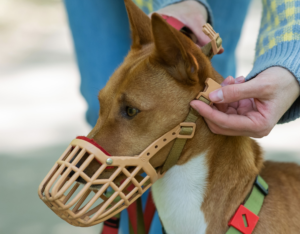
Why muzzle training can help
-
If you don’t have the right type of muzzle, or if it’s not introduced appropriately, wearing a muzzle can be a negative experience for your dog.
-
Muzzle training using positive reinforcement methods is necessary to slowly and carefully introduce the muzzle so that it never becomes a frightening or unpleasant thing.
How to choose the right muzzle for your dog
It’s important that your dog’s muzzle fits them correctly and that it doesn’t cause any discomfort.
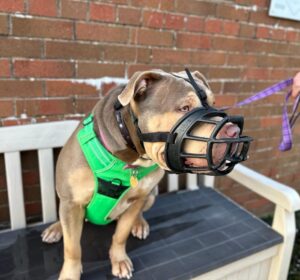
We recommend a basket-style muzzle with plenty of room that allows them to comfortably open their mouths to drink, pant and receive treats while wearing. But it shouldn’t be so loose that the dog can pull it off. Make sure there’s at least a 1cm gap between the muzzle and the tip of the dog’s nose.
There are all sorts of sizes and shapes of muzzles available; it’s important to consider breed and head shape. For example, breeds with broad heads, such as Bully breeds, can get XL muzzles that fit their face, or flat-faced breeds like Pugs or French Bulldogs will have a totally different shape for their short snouts.
Step by step guide to introducing the muzzle
The aim of muzzle training is to create a positive association with the muzzle and help the dog feel comfortable and safe the whole time. Here’s how to get started:
- Introduce the muzzle gradually over a few days. There should be no pressure on the dog to engage with it and they should have space to move away if they want. Start by putting the muzzle on the floor and scattering treats near it, or put meat paste or squeezy cheese anywhere on the muzzle to encourage the dog to lick, sniff and move the muzzle around. Let the dog approach it and investigate on their own terms.
- Once the dog is comfortable putting their face near the muzzle to take treats, try holding the muzzle in your hand with squeezy cheese or meat paste on the inside and encourage the dog to lick it off. Squeezy cheese, pate, or meat paste is a good way to encourage dogs to spend a few seconds touching or licking the muzzle continuously. Again, don’t put any pressure on the dog as they may still be a little unsure and want to step away. You can scatter treats across the room for them to ‘find’ to give them a break between muzzle licking/interaction.
- Add a verbal cue. For example, when the dog puts their face in the muzzle, say ‘muzzle’. A verbal cue like this acts as a trigger to prompt the dog to perform the action and be rewarded, rather than only luring them into position with treats. Timing your cue with the action is key. Over time, your dog will learn that the word ‘muzzle’ means ‘put my face in the muzzle and get a treat!’.
- Once your dog is comfortable putting their face in the muzzle to lick cheese paste, you can start adding movement, so they get used to the feeling of wearing the muzzle. While the dog has its face in the muzzle, slowly walk backwards holding the muzzle while the dog is still licking it. Again, keep sessions short and fun with no pressure.
- Once your dog is happy putting their face into the muzzle for treats and moving around, the next step is to loosely clip it behind their head for a few seconds, then remove. Repeat this a few times while they get used to the new sensation. You can keep feeding them treats or squeezy cheese through the muzzle to keep them occupied and create positive associations with wearing the muzzle.
- Gradually build up the time wearing the muzzle and practice walking around with it on, using treats to distract if they are trying to paw it off. If your dog is still wary, go back a step and take it slowly. It is important not to rush your dog or make them feel unsafe, as we want the muzzle to be a positive thing.
Muzzle training do's and don'ts
Do
- Always take plenty of breaks and train in short bursts to keep your dog engaged
- Always allow your dog the space and freedom to move away if they want to
- Always pay close attention to your dog’s body language and stop immediately if they seem uncomfortable. A stiff or rigid body, yawning, licking lips or turning their head away are all signs of anxiety.
- Always be patient; muzzle training can be a slow process but if done properly, you will have a much easier time after the initial work has been put in.
Don't
- Never force your dog to continue if they’re showing signs of discomfort
- Never tell them off if they’re not progressing as quickly as you like. Always be calm and use positive reinforcement
- Never push through to the next step if they’re not grasping the current step. Taking it slowly will help your dog feel comfortable and unpressured.
Muzzle myth busting
-
Myth: Muzzles mean a dog is aggressive and dangerous?
The Truth: There are many reasons why a dog may need a muzzle. They might eat things they shouldn't like rubbish off the ground, they might get stressed in the vet or groomer and react quickly out of fear or pain, it may be the law e.g. XL Bullys in UK, or they may have a high prey drive and a muzzle is needed to protect wildlife.
-
Myth: Muzzles are uncomfortable and cruel?
The Truth: A well-fitting muzzle will not rub or restrict the dog. They should still be able to pant and drink water. While it might take them a little while to get used to a muzzle at the start, dogs who have been carefully introduced to a correctly fitting muzzle will eventually get used to it.
-
Myth: A dog with a muzzle on has bitten people in the past?
The Truth: The dog may have never bitten before; muzzles are great preventative tools to keep others safe if the owner knows their dog is likely to get stressed or scared and may escalate to biting.
Top tips
- Once your dog is comfortable looking at or sniffing the muzzle, do the clip up away from the dog but within earshot. Watch your dog’s reaction. Some dogs are frightened by the “click” sound, so it might be necessary to do this a few times, delivering a tasty reward after each “click” to get you dog used to the sound before asking them to place their head inside.
- Mix up the times and places and lengths of time you put the muzzle on your dog. If you only need to muzzle your dog to see the vet, make sure that you balance this by putting the muzzle on your dog and doing things they love, like going for a walk. Otherwise, your pet will quickly learn that muzzle means something scary like going to the vet and all your good work will be undone!)
Finally, have fun! Despite our human prejudices about muzzles, they are useful and often necessary pieces of equipment that allow us to protect our pets and the people around them.
More advice

Need more advice?
Our advice hub is filled with health, behaviour and training top tips. Check out our other articles below.