
Reactivity in dogs
What does it mean when we call a dog ‘reactive’?
When a dog is reactive, it means they have a strong emotional response to a trigger. That could be anything from other dogs to new people, cars, cats, or generally unfamiliar objects and places.
Reactivity can be caused by fear, but it can also come from frustration, overwhelm, or overexcitement.
What does reactivity look like?
Reactivity looks different in every dog. Some common signs include:
-
Barking or growling
At other dogs or people.
-
Whining or crying
High-pitched or repeated vocalising.
-
Raised hackles
The hair along the back stands up.
-
Lunging
Lunging forward or bouncing on hind legs.
-
Intense staring
Fixated on the trigger and hard to distract.
-
On high alert
Ears and tail held high and stiff.
-
Hiding
Trying to get away from the trigger.
-
Pulling on the lead
Or trying to back out of their collar.
Why does reactivity happen?
Reactivity generally happens when a dog reaches their comfort threshold. That might be fear stemming from a previous negative experience, frustration at not being able to reach or interact with the trigger, or simply overwhelm and overstimulation.
Can reactivity be cured?
Some dogs can fully move past their reactivity. But if your dog struggles badly with it, this is likely to be something you will always manage and plan around, rather than “cure”.
That does not mean it will always be a huge challenge. Learning your dog’s body language, avoiding triggers where you can, and playing fun training and engagement games all make it easier to manage over time.
The communication ladder
Dogs tell us they are uncomfortable on a scale. Quieter signals build up the ladder into bigger reactions if they are ignored - so the earlier you notice, the better.
-
1
Yawning, blinking, lip licking
-
2
Turning the head away
-
3
Turning away, sitting, pawing
-
4
Walking away
-
5
Creeping, ears back
-
6
Crouched, tail tucked
-
7
Lying down, belly exposed
-
8
Stiff body, hard staring
-
9
Growling
-
10
Snapping
-
11
Biting
It is very unusual for a dog to jump straight to the top of the ladder – but it can become a learned response if their earlier, quieter signals are repeatedly ignored. Keep a close eye on your dog’s body language around common triggers, and never force them to keep going when they are showing signs of stress.
How to manage reactivity
In the moment, the best thing you can do is stay calm. Your dog is not misbehaving – they are responding to a trigger, and there is always a reason for it.
Create distance between your dog and the trigger, and give them time to recover. Plenty of time and space to decompress helps head off another reaction. Longer term, you will not be able to avoid every trigger, so it is worth building a “this way” or “look at me” cue to redirect their attention – and helping your dog grow in confidence.
Training games to reduce reactivity
Teaching your dog to turn their attention to you, or away from a trigger, is a brilliant tool for heated moments. Practise these in calm settings first. (Engage / disengage is adapted from Karen Pryor clicker training, via Saving Souls Rescue.)
Game 1: Engage
Great along a busy route. Start at a safe distance from your dog’s trigger.
-
1
Let them notice the trigger
Stay at a safe distance and let your dog spot it on their own.
-
2
Mark the moment
As they look at the trigger, use a cue word – “look”, “yes”, or their name.
-
3
Reward the look back
When they turn to you after the cue, give a treat.
-
4
Too much? Add distance
If they react or do not turn back, move further away and try again.
-
5
Build it up
Once they look to you on cue five times, you are ready to progress.
Game 2: Disengage
Now let your dog choose to look away on their own.
-
1
Wait for the choice
Let them notice the trigger, then wait a few seconds to see if they look to you without a cue.
-
2
Staring too long? Step back
If they fixate for more than five seconds, go back to the Engage game.
-
3
Reward the turn-away
The moment they look away from the trigger on their own, cue and treat.
-
4
Close the gap slowly
After five good reps, move slightly closer and try again.
Game 3: Look at me
A simple attention game for walks or at home.
-
1
Pick a cue phrase
Something like “look at me” or “this way”.
-
2
Reward eye contact
Whenever your dog looks at you, say the phrase and treat.
-
3
Add the cue
Once they are getting it, say the phrase first – and treat the instant they look.
Play for around five minutes at a time, then take a break. Watch your dog’s body language closely and let them tell you when they have had enough. Start in quiet spaces, then build up to busier ones as they succeed.
Reactivity – what not to do
Never punish your dog for their reaction to something. Remember they are not being “bad” – they are simply having a natural fear, frustration, or overwhelm response. Do your best to stay calm and create distance from the trigger.
And do not force interactions with your dog’s triggers. When you introduce training or engagement games, start very gradually, stay aware of your dog’s body language, and keep whatever distance from the trigger your dog is comfortable with.
Do’s and don’ts at a glance
A few basics make the biggest difference in the moment.
Do
- Stay calm and steady
- Create distance from the trigger
- Give plenty of time to decompress
- Introduce training games gradually
- Watch body language closely
Don’t
- Punish your dog for reacting
- Force interactions with triggers
- Push on past signs of stress
- Expect a quick fix
How to prevent reactivity developing
When you first bring a dog home – puppy or rescue – focus on proper socialisation. Take your time introducing new environments, people and experiences, and get to know their body language.
Make sure you are meeting all of your dog’s needs, too. And remember: even if you do everything right, your dog may still be reactive – so go easy on yourself.
Meeting your dog’s needs
The foundations that help prevent - and ease - reactivity.
-
Plenty of exercise
Regular walks suited to their size and breed.
-
Mental stimulation
Sniffing, training games and enrichment.
-
The right diet
Appropriate food for their size and breed.
-
A calm, quiet space
Somewhere safe to retreat and decompress.
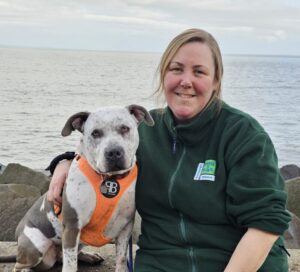
From our behaviour team
Reactivity can take a real toll on you as well as your dog. If it is becoming too much, please ask for help early - the sooner you do, the sooner things start to feel better for both of you.
EDCH Behaviour & Training Team Edinburgh Dog & Cat Home
When to seek professional help
With reactivity, the sooner you seek help, the better. A constantly reactive dog is not in a good headspace, and other issues can build up alongside it. If things feel like too much, reach out to a qualified behaviourist.
Final thoughts
Training and support can transform your dog’s relationship with their triggers, but reactivity is not something you simply “cure”. You will always help your dog steer clear of overwhelming situations and look after their wellbeing. With patience and consistent training, reactivity can be managed – there is just no quick fix.
More advice
How to help your dog with their fear of fireworks
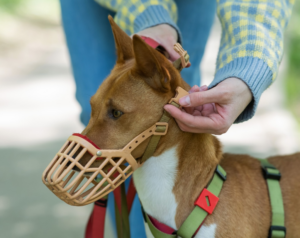
Struggling with your dog’s reactivity?
You do not have to work it out alone. Book a 1:1 session with our dog trainer, or explore more of our training advice.
Book a 1:1 session