Litter trays
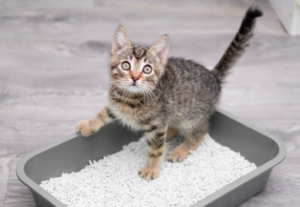

How to choose the right litter tray?
There are many options when it comes to litter trays: plastic or stainless steel, covered or uncovered, tall sides or low entry…. And that’s before we’ve even looked at litter options!
With so many options, it can be overwhelming to figure out what’s right for your cat.
Ultimately, a lot of this will come down to you and your cat’s personal preferences, however, some basic rules for choosing a tray include:
- Your litter tray should be at least 1.5x the size of your cat from nose to tail so they have space to turn around and dig
- Cats generally prefer open trays as it allows them visibility of the room and doesn’t trap bad smells as much as a covered tray
- Avoid automated or ‘self-cleaning’ options as the mechanics of these can be frightening to many cats
What litter is right for my cat?
Even more than litter trays, there are countless options when it comes to choosing what type of litter to use for your cat.
We recommend that you stick to the same type once your cat is consistently using their litter tray and try not to mix it up. Cats may prefer the type of litter they used as a kitten so it’s worth asking the rescue centre or breeder what they’ve been using.
Common litter options include:
-
Clumping clay litter
This litter option is very common with lots of brands to choose from. It forms clumps around urine making it easier to scoop out but can be a little dusty and messy.
-
Non-clumping clay litter
This litter is the same as above but without forming clumps around urine. This means that it must be changed more often and it can get a little muddy when wet.
-
Crystal litter
This is a newer and more expensive form of litter. It’s very absorbent and doesn’t need to be changed as often as other types of litter but it can go everywhere if your cat’s a digger and its dangerous for them to ingest.
-
Biodegradable litter
These litter types are made from natural resources and are often good at absorbing smells. They can be more expensive than other options and not all of them are good at clumping which can make clean up a little more work.
Where should I place my litter tray?
The general rule when it comes to litter trays is to provide one tray for every cat in the home plus one. So, if you have one cat you’ll need at least two trays, and if you have two cats, you’ll need at least three.
If your cat is allowed outdoors, you may find that they prefer to go outside. You should still provide litter trays in the house even if they’d rather go al fresco!
Consider the layout of your home when providing litter trays, if you live on more than one floor, there should be a litter tray on each floor so that your cat never has too far to go.
When placing litter trays, make sure they’re in a quiet space away from any noises or regular foot traffic. Keep trays away from the areas where they are fed or where they like to sleep and try to space them around the house so they’re not too close to each other.

How often does a litter tray need to be cleaned?
You should scoop your trays twice a day to keep them clean from waste. Many cats will refuse to use a dirty tray.
On top of this, you should fully replace all the litter every week and clean out the tray with hot, soapy water. Cats are extremely particular about cleanliness, so this is very important. Be careful about the type of soap that you use as cats have an incredibly heightened sense of smell. Mild, unscented dish soap works well.
Common toilet issues and their causes.
Toileting outside of the litter tray can happen for various reasons, it could be medical, stress-related, or environment related. Whatever you do, don’t punish your cat for making a mess as the stress of this will only make things worse.
-
1
Visit your vet.
The first course of action is to see your vet to give a sample and rule out any medical causes.
-
2
Then, you should consider your current litter tray set up.
Does your cat have enough space and privacy around their tray to go in peace? Has there been any recent changes to their environment or routine that might have made them stressed?
-
3
Consider a behaviourist.
If you’re still not sure what’s causing this issue, you may want to consult an animal behaviourist. Make sure to do your research before hiring anyone. We recommend that you look for someone who has professional qualifications, only uses positive methods, and/or is member of the Animal Behaviour and Training Council (ABTC).
-
4
Clean up quickly!
Make sure to clean up any accidents quickly and use a specialised enzyme cleaner that will break down any odours or lingering bacteria. This will help prevent your cat from establishing a habit of toileting in that spot instead of their tray.

Tips for litter training a kitten
Many kittens will learn how to use a litter tray by watching their mums, but if your pet is having a little trouble with this, here are some of our tips:
- Keep a close eye on them and if it looks like they’re scratching about like they’re about to do the toilet, place them near their tray
- Give them lots of praise once they’ve been to the toilet in their tray to reinforce positive behaviour.
- If they’re toileting around the house, they may simply be overwhelmed by the space. Keep them in one room, or in a smaller area until they’re using the tray consistently.
- Keep their trays clean, in a suitable spot, and clean up any accidents quickly.
An important note…
If you notice that your cat is straining to pee, or if they’re using their tray more often than normal, they could be suffering from a urinary blockage.
In a male cat, this can be life-threatening. Contact your vet immediately for an urgent appointment.
More advice

Helping your cat decompress