Breed traits of Lurchers and Sighthounds

Did you know that lurchers are not actually a recognised breed, but a cross between a sighthound breed such as a whippet or greyhound with another breed?
Lurchers can make fantastic family pets, they can be very snoozy, relaxed animals but they can also have a high prey drive which means they need plenty of exercise and stimulation.
What makes a dog a sighthound?
Sighthounds are a group of dog breeds that include greyhounds, whippets, Scottish deerhounds, Irish wolfhounds, Borzois and more.
They hunt using sight and speed, which means they often have bursts of high energy, but despite this, they’re actually known for being quite lazy dogs.
Common traits of lurchers and sighthounds
As a cross breed, lurchers may have some sighthound traits, as well as traits from other breeds they’ve been crossed with.
Of course, every dog is a different and you should speak to the people who know the individual dog’s personality when rehoming any animal.
However, if you’re considering adopting a lurcher or sight hound, here are some of their common breed traits.
Exercise
Lurchers generally need moderate amounts of exercise. They tend to prefer short bursts of exercise like chasing a ball in the park but may enjoy longer walks too.
As long as they’re getting plenty of mental and physical stimulation, lurchers are often relaxed dogs who love to snooze. This can be where you can see their stubborn streak as they’d much rather lounge in a cosy spot than do anything else!
Grooming
Some lurchers and sighthound breeds will need more grooming than others depending on the length of their coat.
Afghan hounds, salukis, and borzois are long-haired sighthound breeds which will need regular brushing and grooming. Shorter haired breeds such as greyhounds and whippets will still need brushing, but their short hair means they will be more low maintenance.
Short-coated sighthounds do feel the cold weather due to being thin skinned as well as their shorter hair, so they will require a jacket to keep them warm during the winter months.
Training
Lurchers and sighthounds are intelligent dogs who will enjoy the mental stimulation of training, even if they can be a little stubborn at times.
Because of their potentially high prey drive, it’s important to socialise your lurcher around smaller breeds or animals as their natural instincts can kick in when they see other animals running.
This isn’t an issue for every lurcher or sighthound but if it’s a challenge for your pet, you can do enrichment activities with them before heading out on walks so that their stimulation doesn’t only come from being around other animals.
Each dog is unique, but lurchers are known for being food motivated, which helps in training sessions. Keep training fun with toys, praise and positive reinforcement and it can be a fantastic way to bond with your rescue dog.
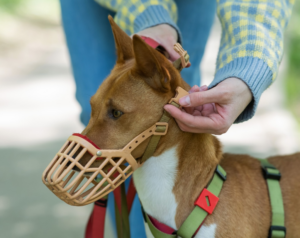
Whilst not all of them need to, sighthounds may have to wear a muzzle outside depending on the severity of their prey drive or reactive behaviour. For more information and muzzle training tips, check out our resources here.
Health
If you’re rehoming a lurcher or sighthound from Edinburgh Dog and Cat Home, our Animal Welfare Team will give you as much detail as we can about that animal’s individual medical history.
As a deep chested breed, it is better for them to drink and eat from a raised bowl stand. This lessens the risk of Bloat or Gastric Torsion, which can be fatal.
Lurchers are a cross breed, so they may also be prone to health issues common to whichever breed they’re crossed with. Many sighthounds can be delicate and easy to injure or upset, so take time to get to know your pet and understand their body language to identify issues early.
Sighthounds in the city
Some rescue dogs require access to private outdoor spaces as they struggle with reactivity issues which make exercising in public spaces tricky. However, many lurcher or sighthound breeds do manage well in city centre homes. As long as they have access to outdoor spaces and plenty of exercise in their daily routine, they are often happy to lounge around in their favourite cosy spot.
As always, it’s important to speak to the people who’ve been caring for the animal you’re rehoming to understand their individual needs, personality and preferences.
More advice